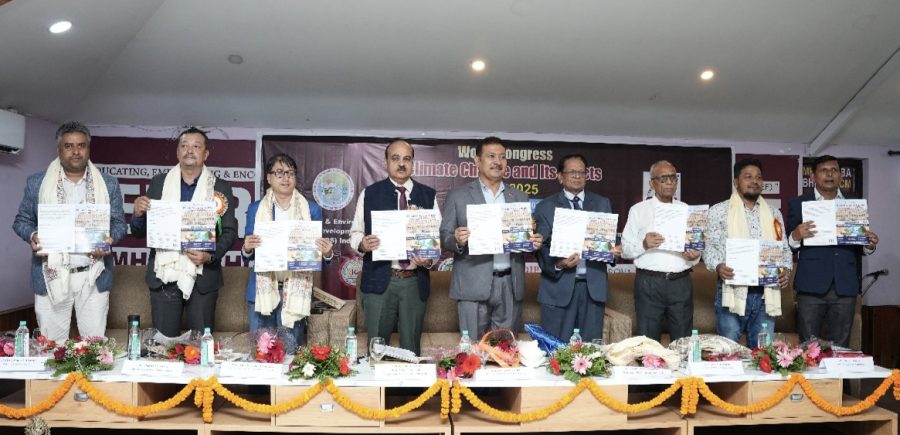
Kathmandu – The World Congress on Climate Change and Its Impacts (CCIE-2025) has commenced at Central College, Sinamangal, Kathmandu. The event was inaugurated on Saturday by Prof. Dr. Bedraj K.C., Vice-Chancellor of Pokhara University.
The three-day congress running until Monday, has drawn the participation of around 200 representatives including experts, scientists, and academicians from 21 countries, according to Central College’s vice Principal Ganesh Budhathoki.
Dr. Wajid Hassan, program coordinator from the Agriculture and Environmental Technology Development Society, India – an organizer of the event – informed that nearly 800 research papers will be presented at the conference.
“The program will feature discussions on 9 major themes and over 70 sub-themes,” he said, “including climate science, smart agriculture, biodiversity, water security, global warming, carbon emissions, socio-economic resilience, climate forecasting through AI tools, natural resource management, disaster risk reduction, and policy frameworks.” 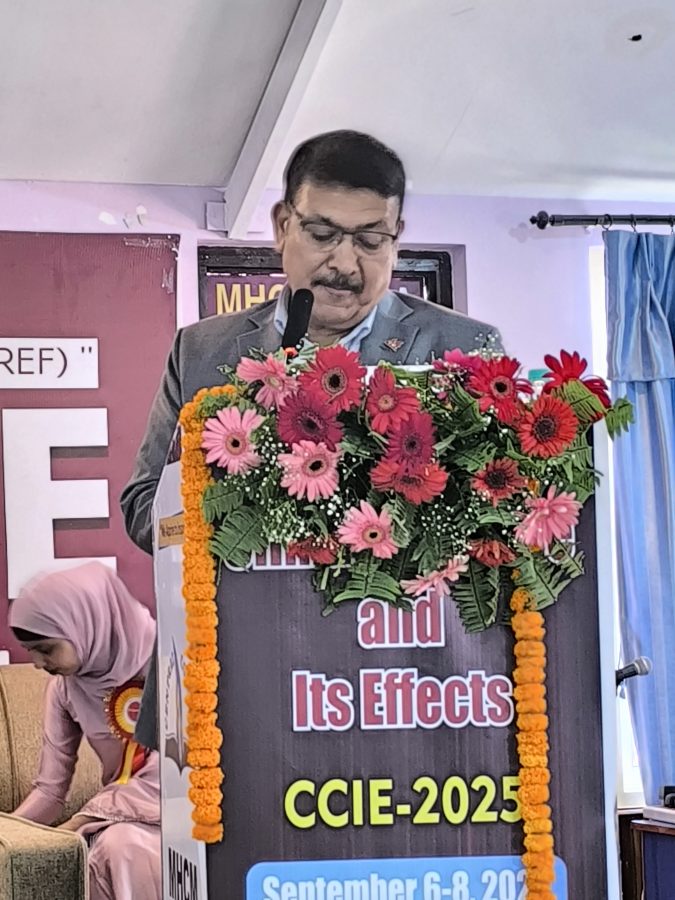 o
o
Addressing the inaugural session, chief guest Prof. Dr. K.C., Vice-Chancellor of Pokhara University, expressed confidence that the conference would not only be an intellectual exercise but also provide practical solutions. He stressed that climate change has global impacts and requires individual-level initiatives for mitigation. 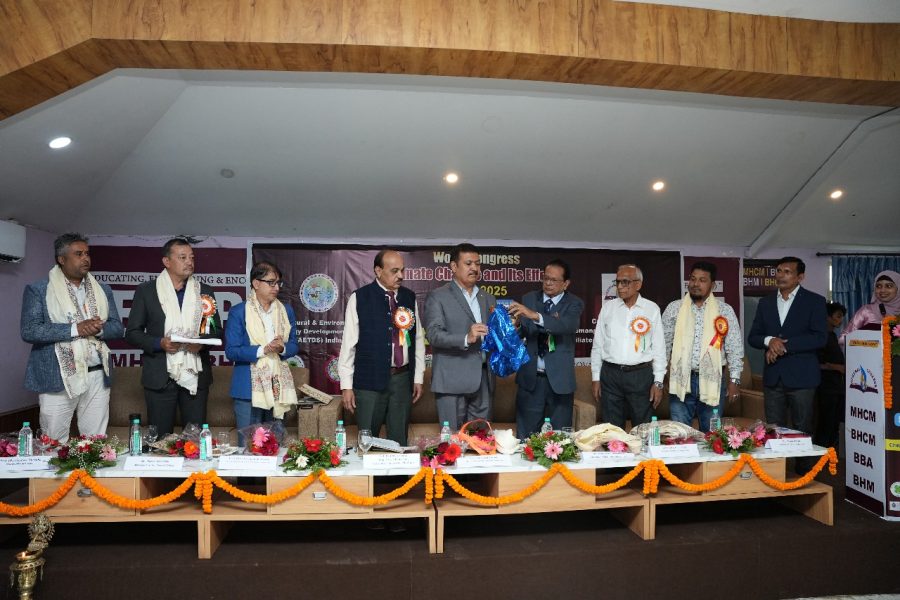
Similarly, Prof. Dr. Niranjan Bhattarai, Director at Agriculture and Forestry University, pointed out that no single sector alone can solve the crisis, highlighting the need for collective efforts. In the same context, Prof. Dr. Mahadev Kshetri, Vice-Chancellor of Samskriti University, India, argued that while climate change is a global challenge, solutions must begin with local initiatives.
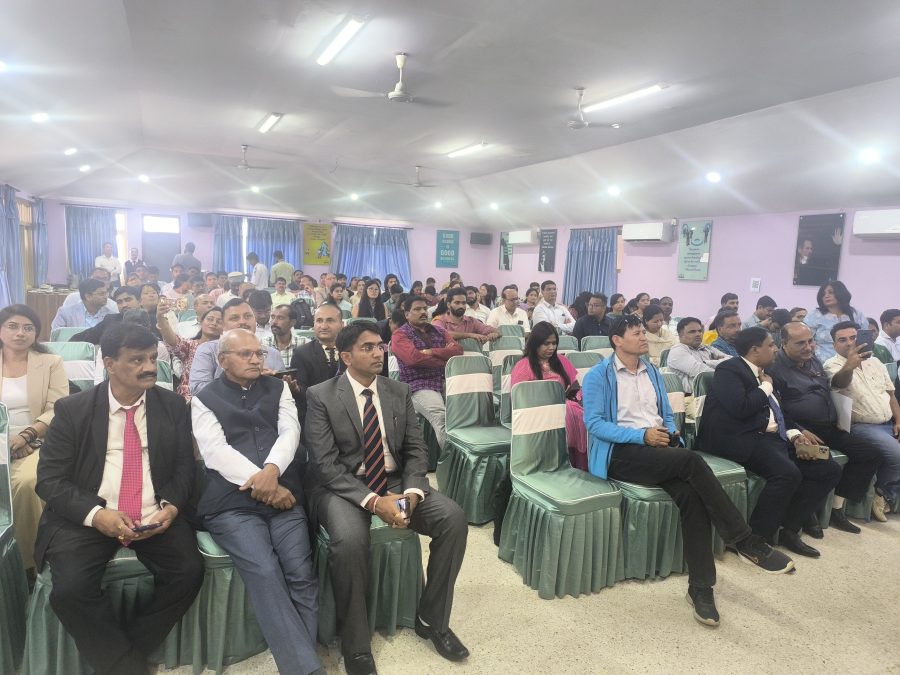
As a major highlight, Padma Shri awardee Dr. Ram Chet Chaudhary of India delivered a keynote lecture on “Agro-Biodiversity in the Himalayan Terai of Nepal-India: Past, Present, and Future.” He emphasized that biodiversity conservation is the foundation of food security and plays a vital role in climate resilience.
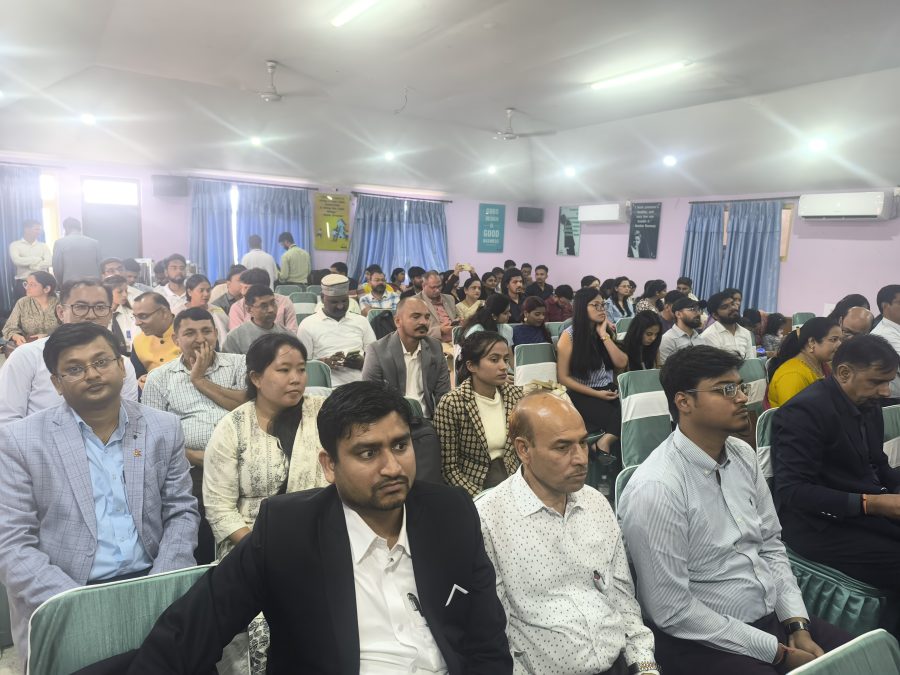
Principal Paras Shrestha of Central College stated that the outcomes of the conference are expected to contribute significantly to forest and environmental conservation, scientific research, policymaking, and sustainable development in society. 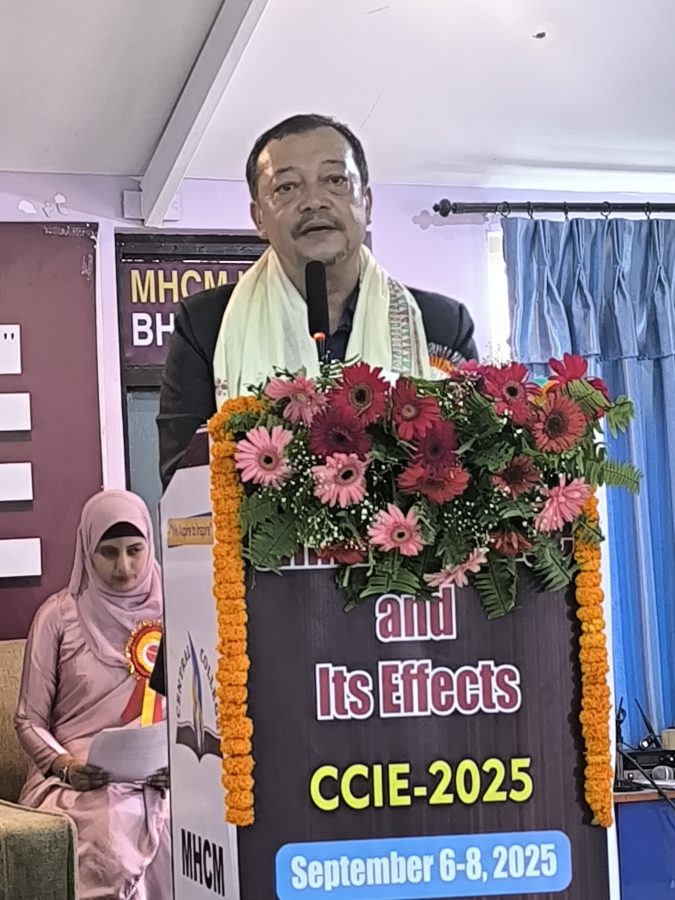
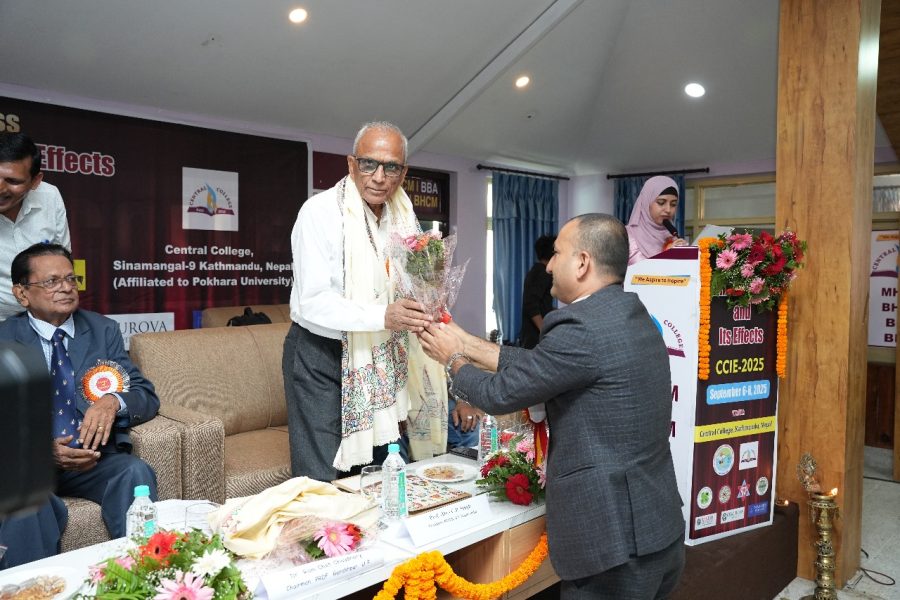
On this occasion, scientist and activists were also awarded with certificates of appreciation in recognition of their contributions to society.